Quality & Fermentation
Quality begins before trade.
We support better cacao through farm-level training, fermentation and drying review, post-harvest discipline, genetics insight, sample evaluation, and buyer-aligned quality development.

Cut test · Fermentation review · Sample assessment
Quality System Overview
Cacao quality is a system.
The quality a buyer receives is shaped by decisions made long before trade: variety, harvest timing, fermentation, drying, storage, handling, documentation, and buyer requirements.
Genetics
Variety potential, disease resistance, and flavor foundation.
Harvest
Selection, timing, ripeness, and field discipline.
Fermentation
Protocol, temperature, time, turning, and records where available.
Drying
Moisture control, airflow, sanitation, and stability.
Storage
Handling, protection, bagging, and lot integrity.
Sample Review
Physical assessment, cut test, flavor potential, and defects.
Buyer Fit
Application, specs, formulation needs, and commercial expectations.
Genetics
Variety potential, disease resistance, and flavor foundation.
Harvest
Selection, timing, ripeness, and field discipline.
Fermentation
Protocol, temperature, time, turning, and records where available.
Drying
Moisture control, airflow, sanitation, and stability.
Storage
Handling, protection, bagging, and lot integrity.
Sample Review
Physical assessment, cut test, flavor potential, and defects.
Buyer Fit
Application, specs, formulation needs, and commercial expectations.
Fermentation & Post-Harvest Modules
Fermentation and post-harvest discipline shape value.
Fermentation, drying, storage, and handling determine whether cacao can express quality consistently. We support origin partners through practical review, training, and buyer-aligned feedback.
Fermentation Protocol Review
Review of timing, turning, temperature logic, box systems, and practical process discipline.
Drying System Assessment
Review of drying methods, airflow, moisture targets, sanitation, and stability.
Defect Risk
Identification of mold, smoke, under-fermentation, over-fermentation, insect damage, and storage issues.
Flavor Development
Understanding how post-harvest decisions influence acidity, bitterness, astringency, aroma, and finish.
Storage Discipline
Support for handling, bagging, separation, lot identity, and quality preservation.
Consistency Over Time
Improving repeatability across lots, harvests, teams, and buyer expectations.
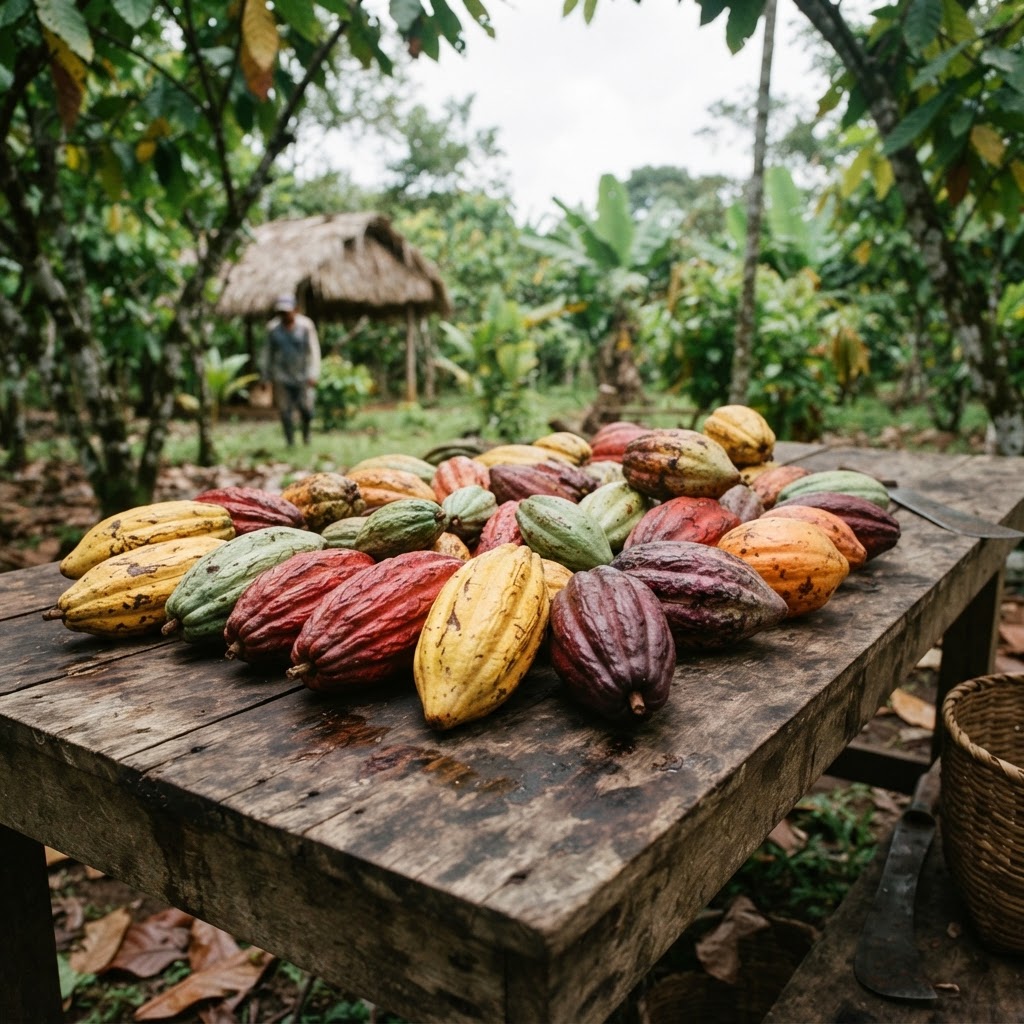
Genetics & Disease Resistance
Genetics and farm systems shape quality potential.
Variety, disease resistance, farm conditions, harvest discipline, and post-harvest systems all influence what cacao can become. Technical review helps farms understand both quality potential and practical constraints.
Farmer Training System
Training turns quality goals into daily practice.
Quality improvement depends on repeatable practices that farmers, cooperatives, processors, and post-harvest teams can understand and use. Training connects technical knowledge to real working conditions.
Sample Evaluation Workflow
From sample to sourcing decision.
Sample evaluation helps connect origin-side quality to buyer-side requirements. The goal is not only to judge a sample, but to understand whether the cacao can support the intended product, formulation, volume, and sourcing relationship.
Lot Identification
Origin, supplier, harvest, and lot context.
Physical Assessment
Bean size, moisture, defects, uniformity, and handling.
Cut Test
Fermentation level, mold risk, internal color, and visible defects.
Fermentation Review
Process history, records where available, and post-harvest context.
Flavor Potential
Aroma, acidity, bitterness, astringency, body, finish, and product fit.
Processing Suitability
How the cacao may perform in chocolate, couverture, liquor, powder, butter, or other applications.
Buyer Alignment
Fit with specs, formulation, volume, documentation, and commercial objectives.
Buyer-Aligned Quality Development
Quality development should serve the buyer and the origin.
Better cacao must work for both sides of the relationship. We help origin partners understand buyer requirements while helping buyers understand what quality, consistency, documentation, and post-harvest realities look like at origin.
Origin-Side Development
- Fermentation discipline
- Drying and storage practices
- Lot identity
- Sample readiness
- Farmer and team training
- Quality feedback
Quality becomes commercially meaningful when origin practice and buyer requirements are aligned.
Buyer-Side Confidence
- Specification alignment
- Formulation fit
- Documentation review
- Volume readiness
- Commercial expectations
- Long-term supply potential
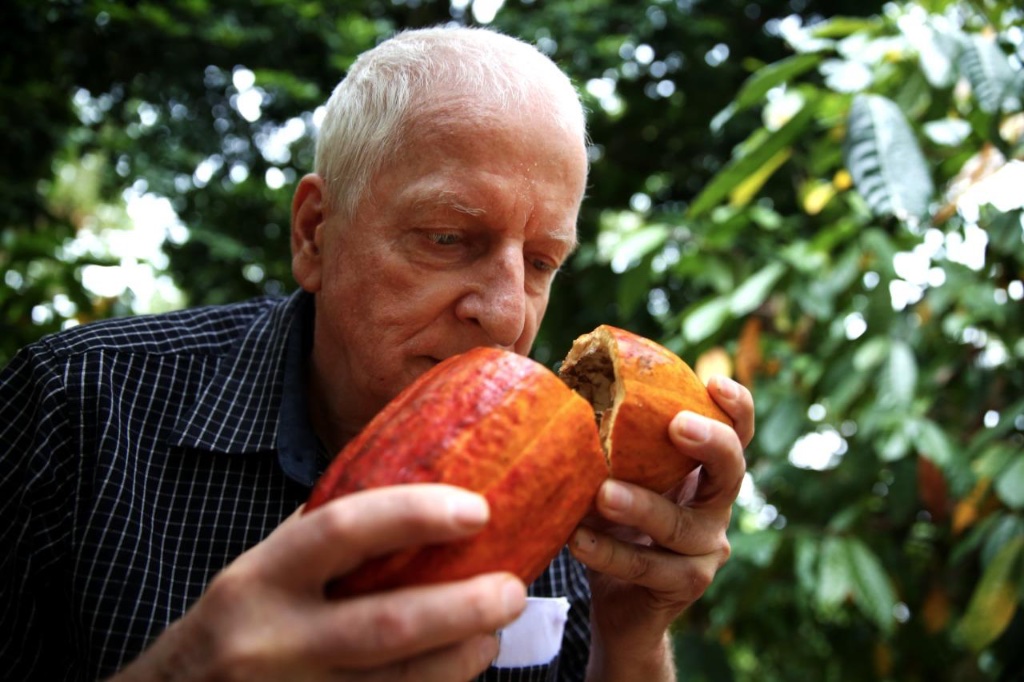
Bertus Eskes
Technical Farm-Side Expertise
Bertus Eskes — Technical Expertise
Technical expertise in genetics, fermentation, and farm systems.
Bertus Eskes leads technical farm-side expertise in cacao genetics, fermentation, post-harvest systems, disease resistance, quality development, and producer training.
His work strengthens Origin Mercantile's ability to support better cacao before it reaches the point of trade.
"Better quality begins with the systems that shape cacao before it is sold."
Technical Focus Areas
Quality Advisory
Request quality and fermentation advisory.
For farms, cooperatives, buyers, or cacao projects seeking support with fermentation, post-harvest systems, sample evaluation, or buyer-aligned quality development, begin with a focused inquiry.
Begin Inquiry